Ask the AC Expert

HVAC information for homeowners and professionals

Author: automanz28

  • Is Your Air Conditioner Overcharged or Undercharged with Refrigerant?

    Is Your Air Conditioner Overcharged or Undercharged with Refrigerant?

    Overcharged or Undercharged Air Conditioner

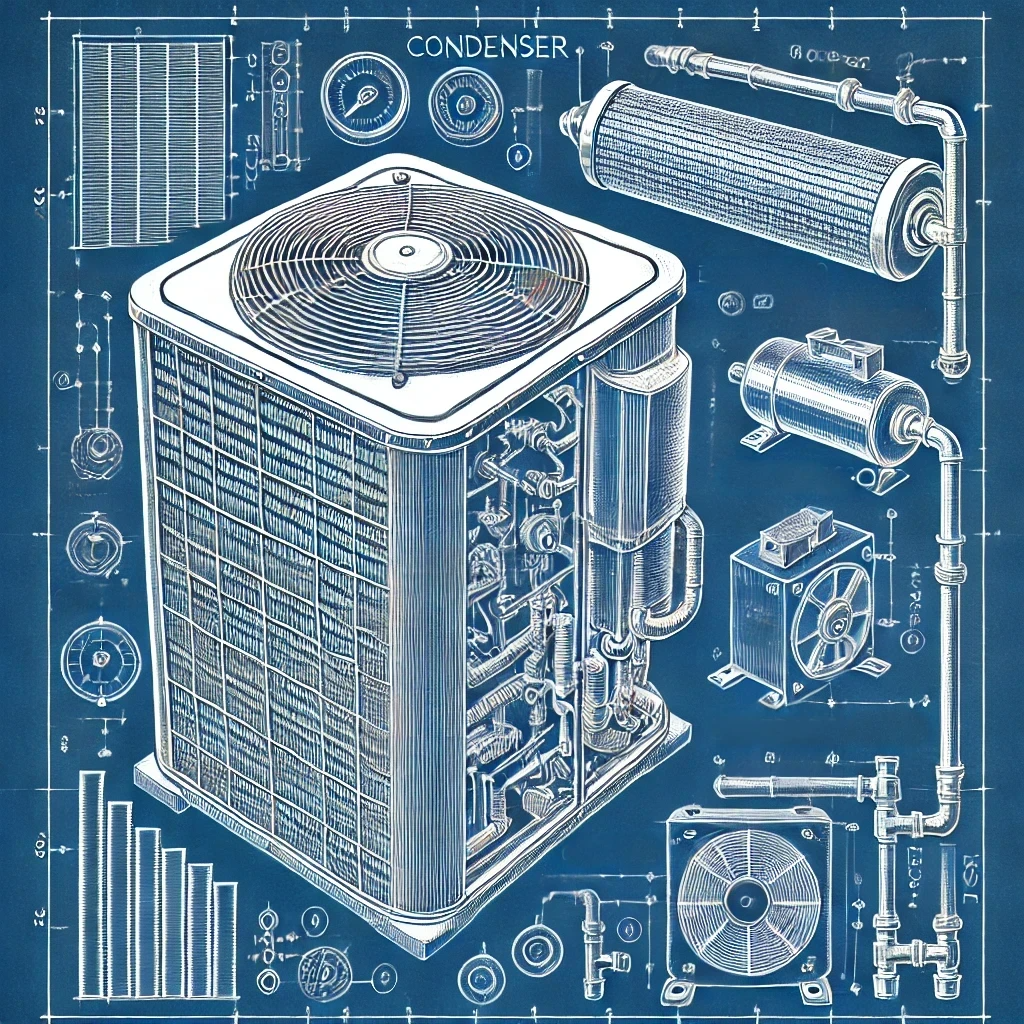
    If your overcharged or undercharged air conditioner is not cooling properly, you may have a refrigerant problem. Many homeowners notice weak airflow or higher energy bills when refrigerant levels are off.

    Refrigerant plays a key role in cooling your home. Therefore, too much or too little can reduce performance and damage your system. Let’s explore how to spot the problem and what it means.


    What Happens in an Overcharged or Undercharged Air Conditioner

    An overcharged or undercharged air conditioner cannot work efficiently. In both cases, the system struggles to transfer heat.

    As a result, your AC runs longer and uses more energy. In addition, parts like the compressor may wear out faster.

    Understanding the difference helps you fix the issue quickly.


    Signs of an Overcharged Air Conditioner

    High Pressure and Poor Cooling

    An overcharged unit contains too much refrigerant. This increases pressure inside the system.

    Because of this, the AC cannot cool properly. Your home may feel warm even when the unit runs.

    Higher Energy Bills

    When pressure rises, the system works harder. As a result, it uses more electricity.

    Therefore, you may notice a sudden increase in your energy bills.

    Strange Noises and Short Cycling

    Too much refrigerant can stress the system. You may hear unusual sounds during operation.

    In some cases, the AC turns on and off quickly. This is known as short cycling.


    Signs of an Undercharged Air Conditioner

    Weak Cooling Performance

    An undercharged unit does not have enough refrigerant. Because of this, it cannot remove heat effectively.

    As a result, your home stays warmer than expected.

    Frozen Coils and Reduced Airflow

    Low refrigerant can cause coils to freeze. When this happens, airflow becomes restricted.

    Therefore, the system struggles even more to cool your space.

    Long Run Times and System Strain

    An undercharged AC runs longer to reach the desired temperature.

    Because of this, energy use increases and components wear out faster.


    Common Causes of Refrigerant Imbalance

    Several issues can lead to an overcharged or undercharged air conditioner:

    • Incorrect installation
    • Improper servicing
    • Refrigerant leaks
    • Lack of maintenance

    In many cases, leaks are the main cause of low refrigerant levels.


    Why Proper Refrigerant Levels Matter

    Efficiency and Performance

    The correct refrigerant level keeps your AC running efficiently. When levels are balanced, cooling improves and energy use drops.

    As a result, your home stays comfortable without high costs.

    Preventing Costly Repairs

    Incorrect levels can damage the compressor and other parts. Therefore, fixing the issue early can save money.

    Regular maintenance helps prevent serious problems.


    When to Call a Professional

    If you suspect an overcharged or undercharged air conditioner, contact a licensed technician.

    They can measure refrigerant levels and adjust them safely. In addition, they can check for leaks and repair any damage.

    Never try to handle refrigerant yourself, as it requires special tools and training.


    Frequently Asked Questions (FAQs)

    1. What causes an overcharged air conditioner?

    Improper servicing or adding too much refrigerant can cause overcharging.

    2. How do I know if my AC is undercharged?

    Look for weak cooling, frozen coils, and longer run times.

    3. Can refrigerant problems increase energy bills?

    Yes. Both overcharging and undercharging reduce efficiency.

    4. Is it safe to fix refrigerant levels yourself?

    No. Only trained professionals should handle refrigerant.

    5. How often should refrigerant be checked?

    You should check it during routine AC maintenance visits.

    6. Can incorrect refrigerant damage my AC?

    Yes. It can harm the compressor and other key components.


    Conclusion

    An overcharged or undercharged air conditioner can lead to poor cooling, high energy bills, and system damage.

    Therefore, it is important to keep refrigerant levels balanced. Regular maintenance and professional inspections can help your AC run smoothly.

    In the long run, proper care improves performance and saves money.
  • Dangers of Neglecting Your Gas Furnace

    Dangers of Neglecting Your Gas Furnace

    Dangers of Neglecting Your Gas Furnace

    As the cold winter months approach, the warmth and comfort of a well-functioning gas furnace become essential for many households. However, amid the hustle and bustle of everyday life, it’s easy to overlook the importance of regular maintenance and inspection of this critical appliance. Neglecting your gas furnace can lead to a variety of hazards, ranging from inefficient operation to severe safety risks. This article will delve into the potential dangers associated with neglecting your gas furnace, emphasizing the importance of regular maintenance and proper care.

    The Silent Threat: Carbon Monoxide Poisoning

    One of the most significant dangers of a neglected gas furnace is the risk of carbon monoxide (CO) poisoning. Carbon monoxide is a colorless, odorless gas produced during the incomplete combustion of natural gas or propane. When a gas furnace is not properly maintained, it can develop cracks in the heat exchanger, broken flu piping or other components, allowing CO to leak into your home.

    Symptoms of Carbon Monoxide Poisoning:

    • Headaches
    • Dizziness
    • Nausea
    • Shortness of breath
    • Confusion

    In severe cases, prolonged exposure to high levels of carbon monoxide can lead to unconsciousness or even death. According to the Centers for Disease Control and Prevention (CDC), more than 400 Americans die from unintentional CO poisoning each year, and thousands more visit emergency rooms.

    Prevention Tips:

    • Install carbon monoxide detectors on every level of your home and near sleeping areas.
    • Test detectors monthly and replace batteries at least once a year.
    • Schedule annual furnace inspections by a qualified HVAC professional.
    • Ensure proper ventilation around your furnace and other gas appliances.

    Fire Hazards

    Another serious danger of neglecting your gas furnace is the increased risk of fire. Dust, dirt, and debris can accumulate in and around your furnace over time. When these materials come into contact with the heat generated by the furnace, they can ignite and cause a fire. Additionally, gas leaks, faulty components, such as frayed wires or malfunctioning safety switches, can also pose a fire hazard.

    Prevention Tips:

    • Keep the area around your furnace clean and free of flammable materials.
    • Change or clean furnace filters regularly to ensure proper airflow and reduce the risk of overheating.
    • Schedule regular inspections to identify and address potential fire hazards.
    • Replace old or faulty furnaces with newer models that have modern safety features.

    Reduced Efficiency and Increased Energy Costs

    Neglecting your gas furnace doesn’t just pose safety risks; it can also have a significant impact on your energy bills. A poorly maintained furnace has to work harder to heat your home, leading to increased energy consumption and higher utility costs. Common issues that reduce furnace efficiency include dirty filters, clogged burners, and malfunctioning thermostats.

    Prevention Tips:

    • Change furnace filters every one to three months, depending on usage and filter type.
    • Have a professional clean and inspect the burners annually.
    • Ensure your thermostat is functioning correctly and consider upgrading to a programmable or smart thermostat for better energy management.

    Decreased Lifespan of the Furnace

    Like any other mechanical system, a gas furnace requires regular maintenance to operate effectively and efficiently. Neglecting routine care can lead to premature wear and tear, reducing the lifespan of your furnace. Components such as the blower motor, heat exchanger, and ignition system can fail prematurely if not properly maintained, leading to costly repairs or the need for early replacement.

    Prevention Tips:

    • Schedule annual maintenance visits from a qualified HVAC technician.
    • Follow the manufacturer’s recommendations for routine care and servicing.
    • Address minor issues promptly before they become major problems.
    • Check for warranty status
    • Check for any recalls

    Poor Air Quality

    A neglected gas furnace can negatively impact the indoor air quality of your home. Dust, mold, and other allergens can accumulate in the furnace and ductwork, circulating through your home every time the furnace runs. Additionally, a malfunctioning furnace can produce harmful byproducts, such as carbon monoxide and nitrogen dioxide, which can exacerbate respiratory issues and other health problems.

    Prevention Tips:

    • Change furnace filters regularly to reduce the buildup of dust and allergens.
    • Schedule duct cleaning services to remove accumulated debris from your ventilation system.
    • Ensure proper ventilation and adequate airflow throughout your home.

    Recognizing the Signs of a Neglected Furnace

    It’s essential to be aware of the warning signs that indicate your gas furnace may be in need of maintenance or repair. Ignoring these signs can lead to more severe issues and potential safety hazards.

    Common Warning Signs:

    • Unusual noises, such as banging, rattling, or squealing
    • Inconsistent or insufficient heating
    • Frequent cycling on and off
    • Unexplained increases in energy bills
    • Yellow or flickering burner flames (indicating improper combustion)
    • Visible signs of rust or corrosion on the furnace

    If you notice any of these warning signs, it’s crucial to contact a professional HVAC technician as soon as possible to diagnose and address the issue.

    The Importance of Professional Maintenance

    While there are some maintenance tasks homeowners can perform themselves, such as changing filters and keeping the area around the furnace clean, many aspects of furnace maintenance require professional expertise. HVAC technicians have the training and tools necessary to thoroughly inspect and service your furnace, ensuring it operates safely and efficiently.

    Professional Maintenance Checklist:

    • Inspect and clean the heat exchanger
    • Check for carbon monoxide leaks
    • Check for gas leaks
    • Test and calibrate the thermostat
    • Lubricate moving parts
    • Inspect and tighten electrical connections
    • Clean and adjust burners
    • Check and replace filters as needed
    • Inspect the flue and ventilation system for blockages or damage

    By investing in regular professional maintenance, you can significantly reduce the risk of furnace-related hazards and extend the lifespan of your system.

    Conclusion

    Neglecting your gas furnace can have serious consequences, from increased safety risks to higher energy costs and reduced system lifespan. Regular maintenance and inspection are essential to ensure your furnace operates safely, efficiently, and effectively. By staying vigilant and addressing potential issues promptly, you can enjoy the warmth and comfort of your gas furnace without compromising the safety and well-being of your household.

    Remember, taking your gas furnace seriously isn’t just about preserving the appliance—it’s about protecting your home and your loved ones from potential dangers. Schedule your annual furnace inspection today and take proactive steps to maintain your system, ensuring a safe and cozy winter season.

  • Importance of Checking for Gas Leaks

    Importance of Checking for Gas Leaks

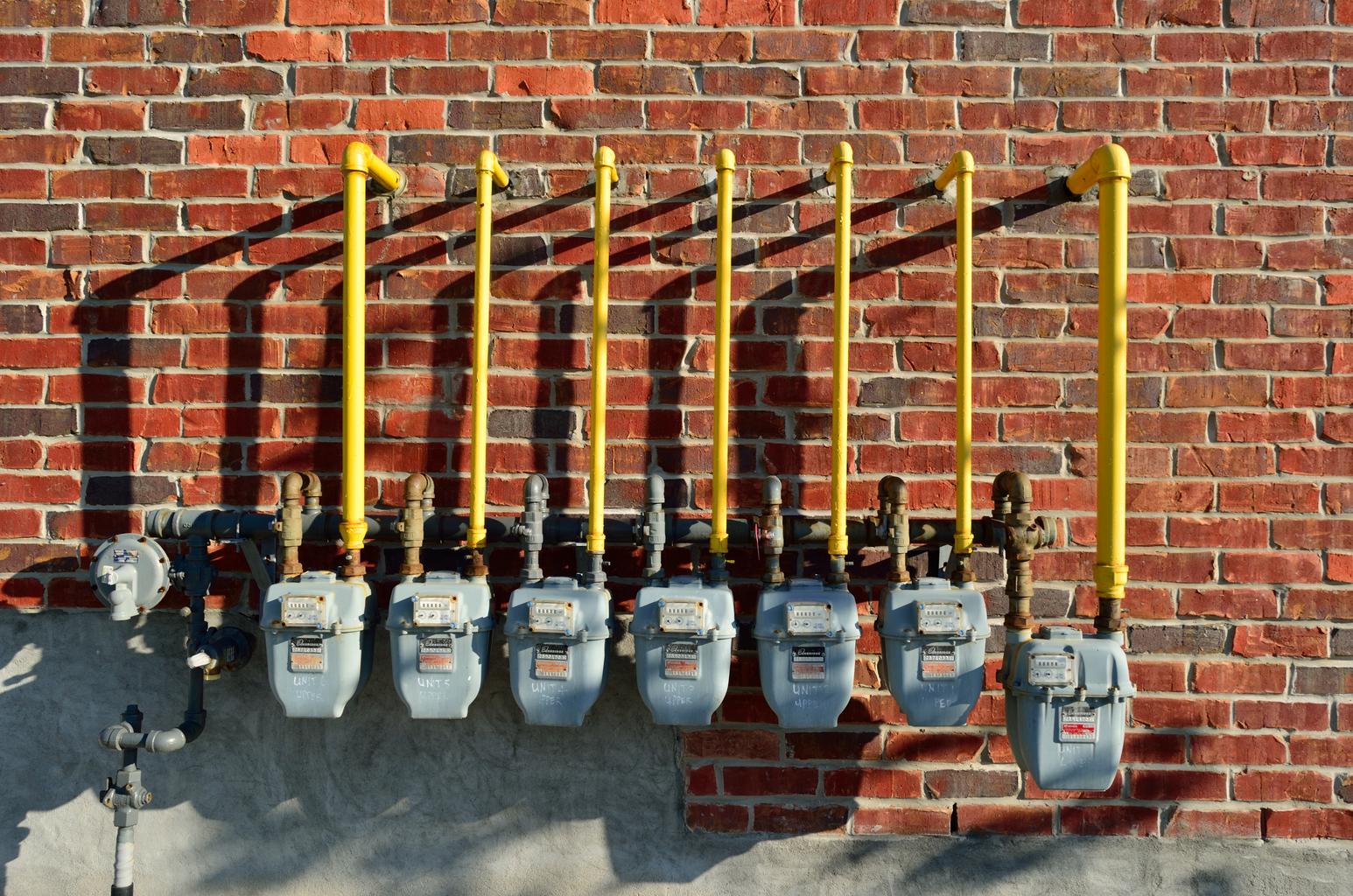
    Natural gas is a widely used resource for heating homes, cooking, and powering appliances. While it is generally safe according to the American Gas Association, natural gas leaks can pose serious risks, including fires, explosions, and health hazards. Regularly checking for gas leaks and knowing how to respond if you suspect a leak is crucial for maintaining a safe living environment. This article will explore the importance of checking for gas leaks, how to detect them, and what steps to take if you believe you have a gas leak.

    Understanding the Risks of Gas Leaks

    Health Hazards:
    Exposure to natural gas can lead to a range of health problems. Low levels of exposure can cause headaches, dizziness, nausea, and respiratory issues. Prolonged exposure to high levels of natural gas can lead to more severe symptoms, such as unconsciousness or even death.

    Fire and Explosion Risks:
    Natural gas is highly flammable. A small spark from an electrical appliance, a light switch, or even static electricity can ignite a gas leak, causing a fire or explosion. This poses a significant threat to your home and the safety of its occupants.

    Environmental Impact:
    Natural gas leaks contribute to the release of methane, a potent greenhouse gas. Methane has a much higher capacity to trap heat in the atmosphere than carbon dioxide, making it a significant contributor to global warming and climate change.

    Importance of Checking for Gas Leaks
    Importance of Checking for Gas Leaks

    How to Detect Gas Leaks

    Detecting gas leaks early can prevent dangerous situations. Here are several methods to identify potential gas leaks:

    1. Smell:
    Natural gas is odorless, but utility companies add a sulfur-like odor to it, making it smell like rotten eggs. This distinct smell is a strong indicator of a gas leak.

    2. Listen:
    Hissing or whistling sounds near gas lines or appliances can indicate a gas leak. This noise results from gas escaping from a small opening or crack.

    3. Look:
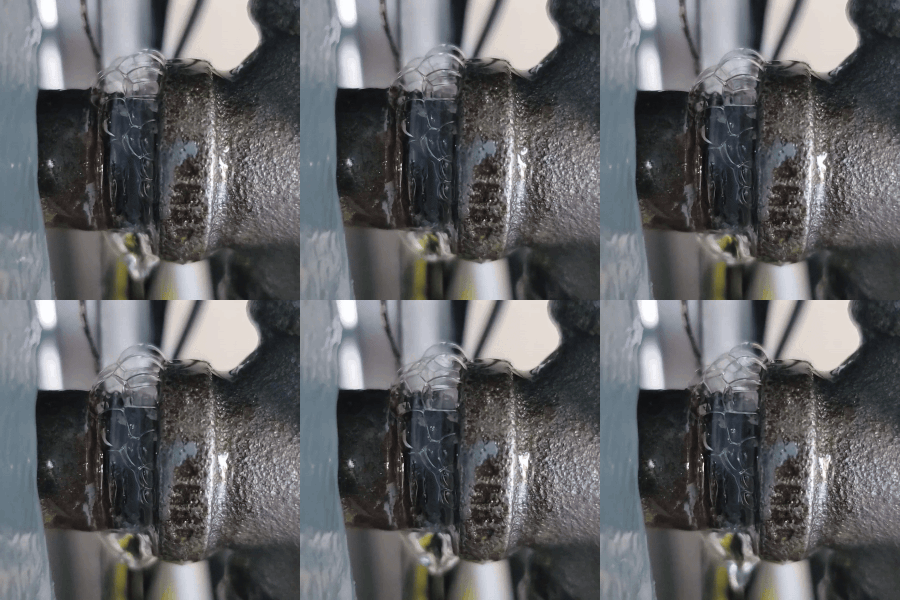
    Visible signs of a gas leak can include bubbles in standing water, dead or discolored vegetation around gas lines, and a white cloud or mist near a gas line.

    4. Use a Gas Leak Detector:
    Investing in a gas leak detector is a proactive way to monitor for leaks. These devices can detect the presence of natural gas in the air and alert you with an alarm.

    Steps to Take If You Believe You Have a Gas Leak

    If you suspect a gas leak, it’s essential to act quickly and follow these steps to ensure your safety and the safety of others:

    1. Evacuate Immediately:
    Leave the building immediately if you suspect a gas leak. Do not use electrical devices, including light switches, phones, or anything that could produce a spark.

    2. Avoid Open Flames:
    Do not light matches, candles, or any open flames. If you are cooking or have an open flame in use, turn it off immediately and leave the area.

    3. Do Not Use Electronics:
    Avoid using electronic devices, including cell phones, flashlights, or garage door openers, as they can create sparks that might ignite the gas.

    4. Ventilate the Area:
    If it is safe to do so, open windows and doors to ventilate the area and allow the gas to disperse. However, do this only if you can do so without using any electrical devices or creating sparks.

    5. Shut Off the Gas Supply:
    If you know how to and can do so safely, turn off the gas supply at the meter. This can help prevent more gas from leaking into the area.

    6. Call for Help:
    Once you are at a safe distance from the suspected leak, call your gas company’s emergency line or 911. Do not re-enter the building until it has been inspected and deemed safe by professionals.

    Preventing Gas Leaks

    Taking proactive steps can help prevent gas leaks and ensure your home remains safe:

    1. Regular Inspections:
    Schedule regular inspections of your gas lines and appliances by a qualified professional. They can identify potential issues before they become serious problems.

    2. Proper Maintenance:
    Ensure your gas appliances are well-maintained and serviced according to the manufacturer’s recommendations. This includes cleaning, checking for wear and tear, and replacing faulty parts.

    3. Install Gas Detectors:
    Install gas detectors in your home, especially near gas appliances and in sleeping areas. These detectors can provide early warning of a gas leak, allowing you to take action quickly.

    4. Educate Your Household:
    Ensure that everyone in your household knows how to recognize the signs of a gas leak and understands the steps to take if they suspect a leak. Regularly review and practice your emergency plan.

    Conclusion

    Natural gas is an essential part of modern living, providing heat, hot water, and power for various appliances. However, the potential dangers associated with gas leaks cannot be ignored. Regularly checking for gas leaks and understanding how to respond in the event of a leak are crucial steps in maintaining a safe home environment.

    By staying vigilant and proactive, you can protect your home and loved ones from the serious risks associated with gas leaks. Remember, when it comes to natural gas, taking precautions and acting swiftly can mean the difference between safety and disaster.

  • Warranty Lookup

    Warranty Lookup

    Verify Your Warranty Coverage
    To check the status of your warranty, simply click on the logo of your equipment brand below. Keep in mind that there may be several different name brands under one main company. This will direct you to the manufacturer’s warranty lookup tool. You’ll need your model and serial numbers, along with the last name of the registered owner, to ensure accurate warranty information. If you’re unsure where to find these numbers, they are typically located on the equipment’s data plate or label. Having this information readily available will make the process quicker and smoother.

    Jump to HVAC Brand by Letter:

    A
    B
    C
    D
    F
    G
    H
    I
    K
    L
    M
    N
    P
    R
    S
    T
    U
    W
    Y

    AAON Heating and Cooling Warranty Lookup

    AAON

    The history of AAON extends back to 1988 when founder Norm Asbjornson set out to design premium commercial HVAC equipment built for performance and durability. Warranty Terms: AAON standard commercial parts warranties typically cover components for 1 year from installation or up to 18 months from shipment, with select compressors covered for up to 5 years. Check your commercial equipment documentation or contact tech support with your serial number for specific unit terms.


    Addison HVAC Customer Support and Warranty

    Addison Products Company

    Addison Products Company, founded in 1949, pioneered early split-system air conditioning and dedicated outdoor air systems (DOAS). Now a subsidiary of Madison Industries, Addison specializes in high-efficiency commercial equipment. Warranty Details: Addison provides a standard 1-year parts warranty with options for extended 5-year compressor coverage. Use their customer support portal to lookup serial-specific coverage details.


    Aire-Flo Warranty Lookup Lennox

    Aire-Flo

    Aire-Flo® heating and cooling systems are budget-friendly residential units manufactured under the Lennox family of brands. Warranty Terms: Standard coverage offers 5-year functional parts protection. When registered within 60 days of installation, owner-occupied residential units receive an extended 10-year parts and compressor warranty managed through LennoxPros.


    Airtemp Unit Registration and Warranty

    Airtemp

    The Airtemp legacy originated in 1930 with the air conditioning system designed for New York’s iconic Chrysler Building. Warranty Details: Airtemp systems come with a 10-Year Limited Parts Warranty when timely registered online. Certain premium models also include a 1-Year or 10-Year Quality Pledge replacement guarantee. Lookup your registered unit via Rheem’s portal.


    Airquest Carrier Warranty Registration

    Airquest

    Airquest is a trusted member of International Comfort Products (ICP), backed by Carrier. Warranty Coverage: Airquest units feature a 10-Year No Hassle Replacement Limited Warranty on select top-tier models alongside a 10-Year Parts Limited Warranty upon timely online registration (unregistered units default to 5-year coverage).


    Amana Heating and Air Conditioning Warranty Lookup

    Amana

    Amana HVAC systems are engineered and assembled in Texas under Daikin. Warranty Coverage: Famous for industry-leading protection, registered Amana units offer a Lifetime Unit Replacement Limited Warranty on select compressors and heat exchangers, alongside a 10-Year Parts Limited Warranty for original homeowners.


    Ameristar Warranty Registration Lookup

    Ameristar

    Ameristar provides value-oriented HVAC systems backed by parent company Trane Technologies. Warranty Terms: Standard un-registered equipment includes 5 years of coverage. Timely online registration extends coverage to 10 years for functional parts on registered residential heat pumps, AC units, and gas furnaces.


    American Standard HVAC Warranty Search

    American Standard

    American Standard has delivered home comfort solutions since the 1880s. Warranty Details: Registered residential systems receive 10-year limited warranty coverage on internal functional parts and compressors. Premium furnace heat exchangers carry up to 20-year or lifetime limited warranty terms.


    Arcoaire Warranty Lookup Portal

    Arcoaire

    Arcoaire is manufactured by ICP (International Comfort Products), a Carrier Global brand. Warranty Details: Select registered Arcoaire systems feature the 10-Year No Hassle Replacement Limited Warranty alongside standard 10-Year Parts coverage when registered within 60 days of original installation.


    Armstrong Air Warranty Check

    Armstrong Air

    Armstrong Air was established in 1928 by Lennox and today operates under Allied Air Enterprises. Warranty Terms: Offers 10-year limited parts coverage on registered equipment, 10-year compressor protection, and up to lifetime limited heat exchanger warranties on qualifying gas furnaces.


    Aspen Evaporator Coils Warranty Lookup

    Aspen Manufacturing

    Aspen Manufacturing is one of North America’s largest independent evaporator coil manufacturers. Warranty Terms: Standard residential evaporator coils feature 5-year parts protection, which extends to 10 years when installed as part of a AHRI-matched registered system.


    Bard Manufacturing HVAC Warranty

    Bard HVAC

    Bard HVAC has specialized in wall-mount climate control and commercial heating systems since 1914. Warranty Terms: Standard commercial parts carry a 1 to 5-year limited warranty depending on product application.

    Notice: Bard does not provide an automated online lookup. Please call customer care at 1-419-636-1194 or contact your local Bard distributor with your serial number.

    Bosch Climate Systems Warranty Lookup

    Bosch Home Comfort

    Bosch Home Comfort delivers high-efficiency inverter heat pumps and boilers worldwide. Warranty Terms: Bosch IDS heat pumps come with 10-year limited coverage on residential internal components and compressors upon online registration.

    Contractor Portal: Register your HVAC business here. | Homeowner Warranty Claims Portal


    Bryant Heating and Cooling Warranty Lookup

    Bryant

    Bryant was founded in 1904 by Charles Bryant and operates under Carrier Global. Warranty Terms: Standard residential units receive 5 years of functional parts coverage. Timely online registration extends warranty terms to 10 years on all functional parts and compressors for original owners.


    Carrier Warranty Registration Lookup

    Carrier

    Carrier is the industry benchmark, founded in 1902 by Willis Carrier. Warranty Terms: Carrier residential equipment features a 10-Year Parts Limited Warranty upon registration within 90 days of installation (5-year base warranty applies if unregistered). Infinity series units carry enhanced compressor and heat exchanger terms.


    Coleman HVAC Warranty Lookup JCI

    Coleman Heating & Air Conditioning

    Coleman Heating & Air Conditioning operates under Johnson Controls (JCI). Warranty Details: Registered residential equipment enjoys 10-year limited parts and compressor warranties. Select premium Coleman units include a 10-Year Unit Replacement pledge.


    Comfortmaker Warranty Status Check

    Comfortmaker

    Comfortmaker is part of the ICP family under Carrier. Warranty Details: Standard 5-year parts warranty extends to 10 years upon registration. Premium series feature the 10-Year No Hassle Replacement Limited Warranty covering full unit replacement if key components fail.


    Concord Heating Air Warranty Lookup

    Concord Air

    Concord Air products are assembled by Allied Air Enterprises (a Lennox company). Warranty Terms: Units offer a 5-year base warranty that upgrades to a 10-Year Limited Parts Warranty when registered online within 60 days of installation.


    Day and Night HVAC Warranty Registration

    Day & Night

    Day & Night heating and cooling systems are manufactured under Carrier’s ICP unit. Warranty Details: Offers a 10-Year Parts Limited Warranty with online registration plus No Hassle Replacement protection on premium home comfort models.


    Daikin Comfort Warranty Status Lookup

    Daikin

    Daikin is the global market leader in HVAC technology and mini-split heat pumps. Warranty Coverage: Standard Daikin ductless and central systems come with a 10-Year or 12-Year Limited Parts Warranty when registered online by a certified Daikin Comfort Pro dealer.


    Ducane HVAC Warranty Portal

    Ducane HVAC

    Ducane HVAC is part of Allied Air Enterprises (Lennox International). Warranty Details: Standard equipment carries 5-year parts protection, which expands to a 10-Year Parts Warranty on registered residential units.


    Fujitsu Mini Split Warranty Lookup

    Fujitsu General

    Fujitsu General specializes in high-efficiency Halcyon ductless mini-split systems. Warranty Coverage: Standard warranty covers 5 years on parts. When installed and registered by a Fujitsu Elite Contractor, warranty terms extend to 12 years for parts and compressors.


    Goodman Air Conditioning Warranty Lookup

    Goodman

    Goodman provides high-value home heating and cooling, engineered under Daikin. Warranty Details: Registered residential Goodman equipment carries a 10-Year Parts Limited Warranty. Premium models include Unit Replacement Limited Warranties for compressor failures.


    GMC Air Conditioning Warranty Verification

    GMC Air Conditioning

    GMC Air Conditioning is a subsidiary brand built under Goodman/Daikin Manufacturing. Warranty Details: Offers 5-year to 10-year functional parts coverage depending on model registration status. Lookup unit status via Goodman’s registration database.


    Gree Comfort Warranty Registration Search

    GREE

    GREE is the world’s largest specialized manufacturer of residential and commercial air conditioners. Warranty Coverage: Registered GREE mini-splits typically feature 5 to 10-year limited parts and compressor warranties depending on system series.


    Heil Heating and Cooling Warranty Lookup

    Heil Heating & Cooling

    Heil Heating & Cooling is manufactured by ICP (Carrier Global). Warranty Details: Includes 10-Year Limited Parts Warranties on registered installations, with select premium models featuring 10-Year No Hassle Replacement guarantees.


    International Comfort Products ICP Warranty

    ICP (International Comfort Products)

    ICP (International Comfort Products) manufactures major HVAC equipment lines under Carrier Global. Managed Brands: Airquest, Comfortmaker, Heil, KeepRite, and Tempstar. All ICP brands feature 10-year registered parts coverage through the ICP portal.


    KeepRite Commercial Refrigeration and HVAC Warranty

    KeepRite

    KeepRite has produced reliable residential HVAC and commercial refrigeration since 1945 under ICP/Carrier. Warranty Terms: Registered residential products carry 10-year functional parts coverage alongside No Hassle Replacement guarantees on top tiers.


    Klimaire Mini Split Warranty Lookup

    Klimaire

    Klimaire produces cost-effective ductless heat pumps and PTAC units sold globally. Warranty Terms: Standard coverage includes 5 years on compressors and 1 to 2 years on functional parts upon online registration within 30 days of purchase.


    Lennox Warranty Lookup and Verification

    Lennox

    Lennox offers premium home heating and air conditioning systems. Warranty Details: Dave Lennox Signature Collection features 10-year parts/compressor coverage and 20-year to lifetime heat exchanger warranties. Standard Merit/Lennox series offer 5-year base coverage extending to 10 years upon registration.

    1. Sign in to your LennoxPros account or open the LennoxPros app.
    2. Access Warranty Lookup: Select “Warranty Lookup” under Resources.
    3. Retrieve Certificate: Enter serial number or scan unit barcode to confirm active coverage.
    4. Phone Support: Call Lennox customer care directly at 1-800-953-6669.

    LG Ductless HVAC Warranty Lookup

    LG Electronics

    LG Electronics is a technology leader in ductless mini-splits and VRF commercial systems. Warranty Terms: Registered residential mini-splits carry 5 years on parts and 7 years on compressors. Systems installed by an LG Excellence Contractor earn an extended 10-year limited warranty.


    Luxaire HVAC Warranty Portal JCI

    Luxaire

    Luxaire is manufactured by Johnson Controls (JCI). Warranty Details: Standard residential units carry a 10-Year Limited Parts Warranty with registration. Select premium Luxaire series include lifetime heat exchanger and 10-year unit replacement coverage.


    Midea HVAC Unit Warranty Search

    Midea America

    Midea America manufactures high-efficiency heat pumps, mini-splits, and window ACs. Warranty Details: Standard ductless units come with 10-year parts and compressor protection upon registration. Verify your unit status via the Midea Warranty Portal.


    Mitsubishi Electric HVAC Warranty Lookup

    Mitsubishi Electric

    Mitsubishi Electric is an industry leader in ductless Zoned Comfort Solutions®. Warranty Details: Base warranty covers 5 years on parts. Registered residential installations receive 10 years, while systems installed by Diamond Contractors earn 12-year extended parts/compressor warranties.


    MRCOOL DIY Warranty Registration Search

    MRCOOL

    MRCOOL specializes in DIY ductless mini-split heat pump systems. Warranty Terms: DIY Series units include a Limited Lifetime Compressor Warranty paired with a 5-year parts warranty when registered online within original terms.


    Nortek Global HVAC Rheem Warranty Registration

    Nortek Global HVAC

    Nortek Global HVAC was acquired by Rheem in 2024. Associated Brands: Frigidaire, Gibson, Intertherm, Miller, Maytag, and Reznor. Standard registered residential warranties cover functional parts for 10 years via Rheem’s registration portal.


    Payne Heating and Cooling Warranty Lookup

    Payne Heating & Cooling

    Payne Heating & Cooling was founded in 1914 and operates under Carrier Global. Warranty Details: Payne provides straightforward residential coverage with a 10-Year Parts Limited Warranty upon online registration within 90 days of installation.


    Pioneer Mini Split Warranty Lookup

    Pioneer (Parker Davis HVAC)

    Pioneer (Parker Davis HVAC) is a prominent supplier of ductless mini-split split systems. Warranty Terms: Offers 5-year coverage on compressors and 5-year coverage on parts upon online warranty verification.


    Rheem Manufacturing Warranty Lookup

    Rheem Manufacturing

    Rheem Manufacturing was founded in 1925 and produces residential heating, cooling, and water heating products. Warranty Details: Registered residential AC units and furnaces carry 10-year conditional parts warranties, with select heat exchanger lines guaranteed up to lifetime.


    RunTru Trane Warranty Lookup

    RunTru

    RunTru is engineered and backed by Trane Technologies for affordable comfort. Warranty Details: Unregistered systems feature 5 years of coverage; online registration extends coverage to 10 years on functional parts and compressors for residential owners.


    Ruud HVAC Warranty Lookup Portal

    Ruud

    Ruud was founded in the late 1800s by mechanical engineer Edwin Ruud and operates under Rheem. Warranty Details: Registered residential heating and cooling units include a 10-Year Conditional Parts Warranty plus conditional unit replacement guarantees on select series.


    Samsung HVAC Warranty Registration Check

    Samsung HVAC America

    Samsung HVAC America manufactures innovative VRF and mini-split climate systems. Warranty Terms: Standard residential equipment comes with 10 years on compressors and 5 years on parts, expanding to 10-year parts coverage when installed by a Samsung Preferred Dealer.


    Senville Mini Split Warranty Lookup

    Senville

    Senville supplies direct-to-consumer mini-split air conditioners and heat pumps. Warranty Terms: Offers 5-year compressor and 2-year functional parts protection on registered home systems (labor costs are excluded from direct-to-consumer warranties).


    Tempstar Warranty Lookup ICP

    Tempstar

    Tempstar is manufactured by ICP (Carrier Global). Warranty Details: Standard units feature 10-year registered parts coverage. Premium SmartComfort lines include up to 10-Year No Hassle Replacement protection.


    Trane HVAC Serial Warranty Lookup

    Trane

    Trane was established in 1885 by James Trane and is renowned for testing rigors (“Hard to stop a Trane”). Warranty Details: Registered residential equipment carries a 10-Year Limited Warranty on functional parts and compressors, with optional extended labor warranties available through certified dealers.


    Unico System High Velocity Warranty Portal

    The Unico System

    The Unico System specializes in small-duct high-velocity HVAC systems for modern and historic homes. Warranty Coverage: Standard parts carry a 5-year warranty, which doubles to 10 years when installed by a certified Unico Preferred Contractor.


    WaterFurnace Geothermal Warranty Check

    WaterFurnace

    WaterFurnace manufactures premium residential geothermal heating and cooling solutions. Warranty Terms: Standard geothermal units carry 10-year limited warranties on all major components, co-axial heat exchangers, and refrigerant circuits.


    WeatherKing Unit Registration and Warranty

    WeatherKing

    WeatherKing offers dependable heating and cooling equipment built under Rheem Manufacturing. Warranty Details: Standard residential units receive a 10-Year Conditional Parts Warranty when registered online through Rheem’s registration portal.


    Weil-McLain Hydronic Boiler Warranty

    Weil-McLain

    Weil-McLain® has been a leading manufacturer of hydronic heating boilers since 1881. Warranty Terms: Residential boilers feature 1 to 5-year parts warranties alongside 12-year to lifetime limited warranties on cast iron or stainless steel heat exchangers.


    York HVAC Warranty Search JCI

    YORK

    YORK® was founded in 1874 in Pennsylvania and operates under Johnson Controls (JCI). Warranty Details: Registered residential products include a 10-Year Parts Limited Warranty. Premium Affinity™ Series models carry lifetime heat exchanger and compressor replacement guarantees.


    Is Your HVAC System Warranty Expired?

    If your unit’s serial lookup shows that your original manufacturer warranty has lapsed, don’t worry! You can still protect your cooling investment. Schedule a professional AC Repair Diagnostic or enroll in a preventive AC Maintenance Plan with our expert technicians today to keep your system running smoothly.


    Not all HVAC manufacturers are listed here. If you notice a brand missing, please let us know, and we will add it immediately.

  • Seasonal Energy Efficiency Ratio SEER2

    Seasonal Energy Efficiency Ratio SEER2

    What is SEER2? Firstly, the U.S. Department of Energy (DOE) has stepped in to improve the efficiencies of the equipment used in HVAC to cool and heat our homes. Also, the DOE has the authority to establish minimum efficiency standards for air conditioning (AC) and heat pump (HP) equipment. Consequently, the next set of energy efficiency increases, Seasonal Energy Efficiency Ratio 2 or SEER2, will impact newly-manufactured residential and commercial equipment and will take full effect on January 1, 2023. Changes are here now for single-phase residential and light commercial central air conditioning systems, the requirements will vary by region.

    “Seasonal Energy Efficiency Ratio 2 SEER2 is the total heat removed from the
    conditioned space during the annual cooling season, expressed in Btu, divided by the total
    electrical energy consumed by the air conditioner or heat pump during the same season,
    expressed in watt-hours.”

    The Office of Energy Efficiency and Renewable Energy, Department of Energy worked to put together new testing procedures to make this improvement. Furthermore, with new rule making changes, this improvement came about.

    What is the difference between SEER and SEER2? Quite a few things to begin with. The static pressure inside the duct work increased verses the old SEER testing. The goal of new SEER2 testing procedures is to better represent external conditions seen in the field. Current SEER testing does not accurately emulate the influence of duct work and external static pressure on HVAC products. Because of this, it is not often representative of real-world applications.

    At the end of the day, all of this will help us use less energy. We all would be happy with lower power bills!

    Have you evaluated your HVAC system in your home? You might want to consider replacement. Start with a repair vs replace calculator. Make the first step in saving money and the environment.

  • What is Seasonal Energy Efficiency Ratio or S.E.E.R.?

    What is Seasonal Energy Efficiency Ratio or S.E.E.R.?

    Simply put this labels air conditioning equipment on how efficient it is. The higher the unit’s S.E.E.R. rating the more energy efficient it is just like miles per gallon (mpg) on vehicles. As of January 2006, the federal government mandated that all new central air conditioning equipment be at least 13 S.E.E.R., however in January 2015 the minimum will be 14 S.E.E.R. but many brands have equipment available rated even higher today.

    S.E.E.R.

    This is an acronym for Seasonal Energy Efficiency Ratio. This S.E.E.R. rating of a unit is the cooling output during a typical cooling season divided by the total electric energy input during the same period. The higher the unit’s S.E.E.R. rating the more energy efficient it is.

  • Why should I purchase a new heating and air conditioning system?

    Why should I purchase a new heating and air conditioning system?

    It is easy to imagine that purchasing a heating or air conditioning system is no small matter. However, if your existing system is more than 10 years old or in need of repair or simply inefficient, purchasing a new unit can turn into a long term benefit.

    Efficiencies

    New equipment is more efficient than a system purchased just a few years ago.  Minimum efficiency levels since January 2006 have been increased from 10 S.E.E.R. to 13 S.E.E.R. That is a savings of about 30% off your cooling costs. If you live in a southern area you could save quite a bit of money.

    For example: Say your yearly cooling costs averaged $100 per month you would save $30 per month or $360 annually.

    Starting January 1, 2015, split system central air conditioners installed in most of the US must be 14 S.E.E.R., that would be even more savings. Many manufacturers are pushing the envelope of efficiencies by producing as high as 27 S.E.E.R. rated systems.

    Repairs

    Rather than continuing to pay for ongoing repairs and costly monthly bills, it is smart to invest in a new system that will save you money for years to come. The combined costs of owning a new system may far exceed the initial cost of buying it.

    Warranties

    Most new equipment comes with great warranties. Some have a ten year all parts warranties.  I suggest you connect your local heating air conditioning and ventilation contractor for more details. Do not rush into your decision and educate yourself.

  • Is Freon (R-22) Banned?

    Is Freon (R-22) Banned?

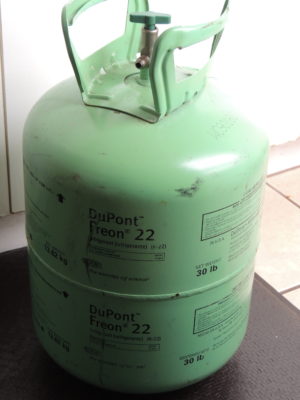
    “Freon” is the common name for R-22, hydro-chlorofluorocarbon (HCFC). R-22 has been used as a refrigerant by HVAC manufacturers for over 40 years, but studies in the past decade have shown that HCFCs contain chlorine, an ozone-depleting agent. For this reason, the United States Clean Air Act had set the target date for January 1, 2010, on which HVAC manufacturers must cease the production of products that use R-22. So as for the manufacturer community, pure R-22 is banned from their production. However exceptions exists. For example, many manufacturers sell a “dry” unit that will accept reclaimed/recycled R-22.

    What about the HVACR service industry?

    Does this mean that if my old a/c system needs serviced, I can not fix it? Of course not or at least not yet. Let me explain. Under the terms of the Montreal Protocol, the U.S. agreed to meet certain obligations by specific dates that will affect the residential heat pump and air-conditioning industry. Many of these dates are now history accept for:

    • January 1, 2015:The Montreal Protocol requires the U.S. to reduce its consumption of HCFCs by 90% below the U.S. baseline.
    • January 1, 2020:The Montreal Protocol requires the U.S. to reduce its consumption of HCFCs by 99.5% below the U.S. baseline. Refrigerant that has been recovered and recycled/reclaimed will be allowed beyond 2020 to service existing systems, but chemical manufacturers will no longer be able to produce R-22 to service existing air conditioners and heat pumps.

    What about the community?

    So the short answer is no. The community will continue to need R-22 to service these units. Supply and demand will be the rule. As the production in 2020 is basically stopped, only reclaimed R-22 will be available. This means your local HVACR repair man may have to charge very high rates for this refrigerant. The best decision is to explore other refrigerant options now and be ready to upgrade equipment to match these alternatives.