Dangers of Neglecting Your Gas Furnace
As the cold winter months approach, the warmth and comfort of a well-functioning gas furnace become essential for many households. However, amid the hustle and bustle of everyday life, it’s easy to overlook the importance of regular maintenance and inspection of this critical appliance. Neglecting your gas furnace can lead to a variety of hazards, ranging from inefficient operation to severe safety risks. This article will delve into the potential dangers associated with neglecting your gas furnace, emphasizing the importance of regular maintenance and proper care.
The Silent Threat: Carbon Monoxide Poisoning
One of the most significant dangers of a neglected gas furnace is the risk of carbon monoxide (CO) poisoning. Carbon monoxide is a colorless, odorless gas produced during the incomplete combustion of natural gas or propane. When a gas furnace is not properly maintained, it can develop cracks in the heat exchanger, broken flu piping or other components, allowing CO to leak into your home.
Symptoms of Carbon Monoxide Poisoning:
- Headaches
- Dizziness
- Nausea
- Shortness of breath
- Confusion
In severe cases, prolonged exposure to high levels of carbon monoxide can lead to unconsciousness or even death. According to the Centers for Disease Control and Prevention (CDC), more than 400 Americans die from unintentional CO poisoning each year, and thousands more visit emergency rooms.
Prevention Tips:
- Install carbon monoxide detectors on every level of your home and near sleeping areas.
- Test detectors monthly and replace batteries at least once a year.
- Schedule annual furnace inspections by a qualified HVAC professional.
- Ensure proper ventilation around your furnace and other gas appliances.
Fire Hazards
Another serious danger of neglecting your gas furnace is the increased risk of fire. Dust, dirt, and debris can accumulate in and around your furnace over time. When these materials come into contact with the heat generated by the furnace, they can ignite and cause a fire. Additionally, gas leaks, faulty components, such as frayed wires or malfunctioning safety switches, can also pose a fire hazard.
Prevention Tips:
- Keep the area around your furnace clean and free of flammable materials.
- Change or clean furnace filters regularly to ensure proper airflow and reduce the risk of overheating.
- Schedule regular inspections to identify and address potential fire hazards.
- Replace old or faulty furnaces with newer models that have modern safety features.
Reduced Efficiency and Increased Energy Costs
Neglecting your gas furnace doesn’t just pose safety risks; it can also have a significant impact on your energy bills. A poorly maintained furnace has to work harder to heat your home, leading to increased energy consumption and higher utility costs. Common issues that reduce furnace efficiency include dirty filters, clogged burners, and malfunctioning thermostats.
Prevention Tips:
- Change furnace filters every one to three months, depending on usage and filter type.
- Have a professional clean and inspect the burners annually.
- Ensure your thermostat is functioning correctly and consider upgrading to a programmable or smart thermostat for better energy management.
Decreased Lifespan of the Furnace
Like any other mechanical system, a gas furnace requires regular maintenance to operate effectively and efficiently. Neglecting routine care can lead to premature wear and tear, reducing the lifespan of your furnace. Components such as the blower motor, heat exchanger, and ignition system can fail prematurely if not properly maintained, leading to costly repairs or the need for early replacement.
Prevention Tips:
- Schedule annual maintenance visits from a qualified HVAC technician.
- Follow the manufacturer’s recommendations for routine care and servicing.
- Address minor issues promptly before they become major problems.
- Check for warranty status
- Check for any recalls
Poor Air Quality
A neglected gas furnace can negatively impact the indoor air quality of your home. Dust, mold, and other allergens can accumulate in the furnace and ductwork, circulating through your home every time the furnace runs. Additionally, a malfunctioning furnace can produce harmful byproducts, such as carbon monoxide and nitrogen dioxide, which can exacerbate respiratory issues and other health problems.
Prevention Tips:
- Change furnace filters regularly to reduce the buildup of dust and allergens.
- Schedule duct cleaning services to remove accumulated debris from your ventilation system.
- Ensure proper ventilation and adequate airflow throughout your home.
Recognizing the Signs of a Neglected Furnace
It’s essential to be aware of the warning signs that indicate your gas furnace may be in need of maintenance or repair. Ignoring these signs can lead to more severe issues and potential safety hazards.
Common Warning Signs:
- Unusual noises, such as banging, rattling, or squealing
- Inconsistent or insufficient heating
- Frequent cycling on and off
- Unexplained increases in energy bills
- Yellow or flickering burner flames (indicating improper combustion)
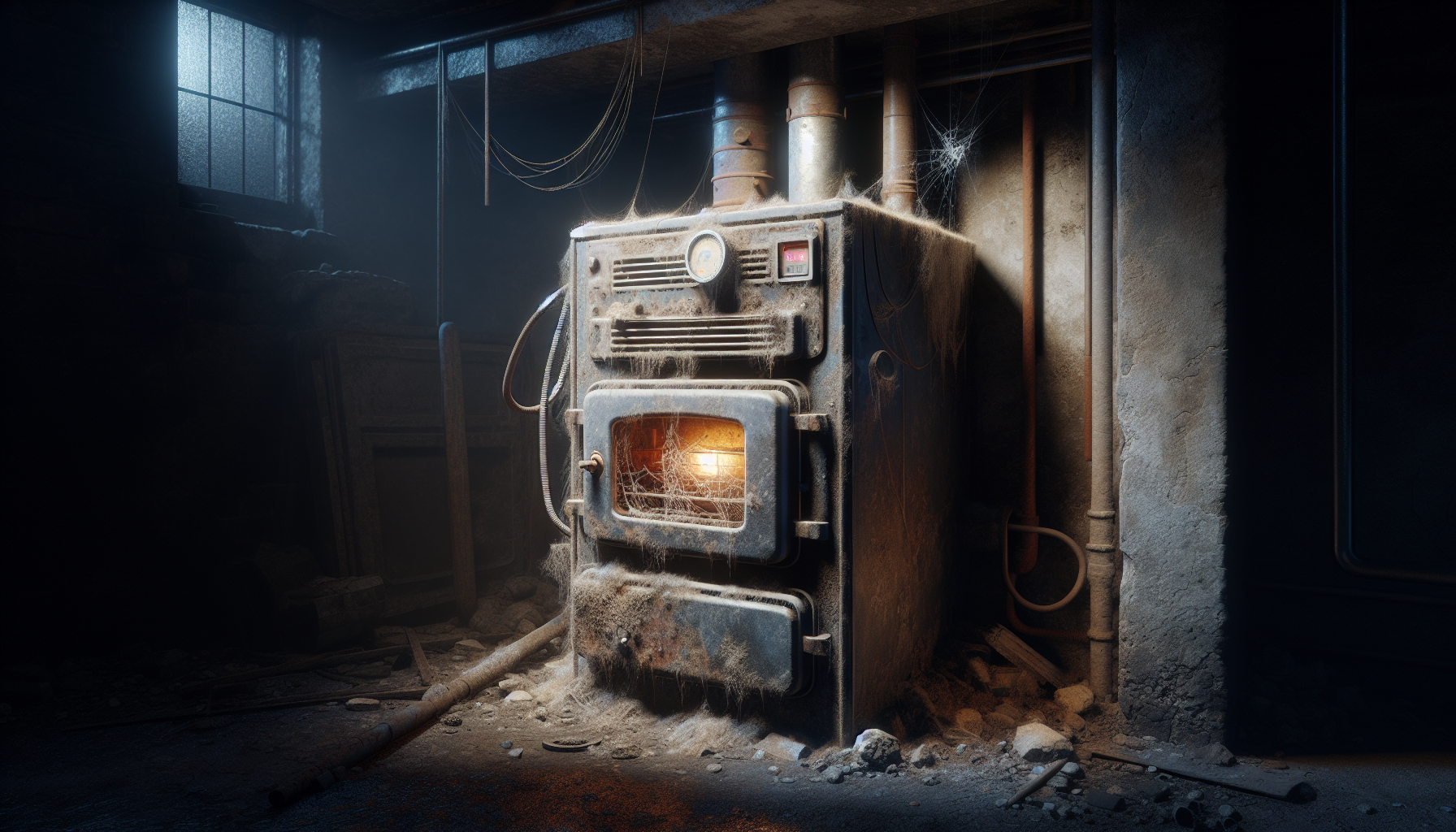
- Visible signs of rust or corrosion on the furnace
If you notice any of these warning signs, it’s crucial to contact a professional HVAC technician as soon as possible to diagnose and address the issue.
The Importance of Professional Maintenance
While there are some maintenance tasks homeowners can perform themselves, such as changing filters and keeping the area around the furnace clean, many aspects of furnace maintenance require professional expertise. HVAC technicians have the training and tools necessary to thoroughly inspect and service your furnace, ensuring it operates safely and efficiently.
Professional Maintenance Checklist:
- Inspect and clean the heat exchanger
- Check for carbon monoxide leaks
- Check for gas leaks
- Test and calibrate the thermostat
- Lubricate moving parts
- Inspect and tighten electrical connections
- Clean and adjust burners
- Check and replace filters as needed
- Inspect the flue and ventilation system for blockages or damage
By investing in regular professional maintenance, you can significantly reduce the risk of furnace-related hazards and extend the lifespan of your system.
Conclusion
Neglecting your gas furnace can have serious consequences, from increased safety risks to higher energy costs and reduced system lifespan. Regular maintenance and inspection are essential to ensure your furnace operates safely, efficiently, and effectively. By staying vigilant and addressing potential issues promptly, you can enjoy the warmth and comfort of your gas furnace without compromising the safety and well-being of your household.
Remember, taking your gas furnace seriously isn’t just about preserving the appliance—it’s about protecting your home and your loved ones from potential dangers. Schedule your annual furnace inspection today and take proactive steps to maintain your system, ensuring a safe and cozy winter season.